


-

Add: HeBei ShengShi HongBang Cellulose Technology CO.,LTD.
-

Email
13180486930@163.com -

CONTACT US
+86 13180486930
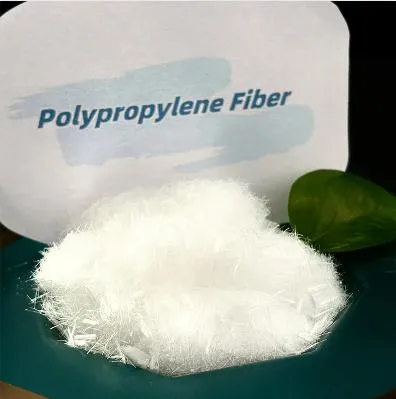
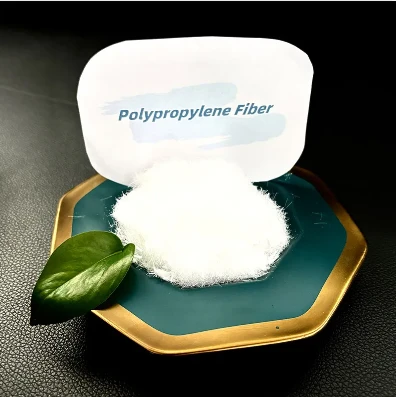



Concrete polypropylene fibers have revolutionized the construction landscape, offering an innovative solution to the age-old challenges in building materials. These synthetic fibers bring a myriad of benefits that enhance the structural integrity and durability of concrete infrastructures, and their real-world applications are proving them to be indispensable. In practice, builders and engineers alike have recognized the transformative impact of incorporating polypropylene fibers into concrete mixtures. Through firsthand experience, seasoned professionals have observed that these fibers significantly reduce cracking tendencies. Post-construction, this feature translates to lowered maintenance costs and extended longevity of concrete structures, creating a cost-effective solution in both short-term and long-term scopes. From the standpoint of expertise, it’s crucial to delve into the composition and benefits that make concrete polypropylene fibers stand out. Originating from thermoplastic polymers, these fibers offer high resistance to various physical and chemical impacts. The expert consensus highlights the fibers’ strength in enhancing resistance to freeze-thaw cycles, a common concern in regions with fluctuating climates. By reinforcing the concrete matrix, polypropylene fibers decrease permeability and offer enhanced protection against water infiltration, thus maintaining the structural integrity over time. In laboratory environments, precise tests have consistently demonstrated the advantages of these fibers. Researchers specializing in materials science have empirically validated that polypropylene fibers improve impact resistance and mitigate splitting, especially in high-traffic areas like pavements and industrial floors. These findings are corroborated by data showing reduced occurrences of micro-cracking during the curing process, setting a new benchmark in concrete durability. Authoritative bodies in the construction industry have recognized the benefits of using polypropylene fibers, therefore endorsing their use through updated building codes and standards. Organizations such as the American Concrete Institute (ACI) and the British Standards Institution (BSI) have integrated guidelines that recommend the use of synthetic fibers for concrete reinforcement. This endorsement not only reflects the growing trust in these materials but also guides best practices in application techniques. concrete polypropylene fibers Credibility in using concrete polypropylene fibers is further established through numerous successful projects globally. An exemplar is the construction of high-rise buildings in seismic zones, where the fiber-reinforced concrete has provided enhanced structural stability. Engineers involved in these projects report that the fibers allow for more flexible and adaptive designs, accommodating various architectural specifications without compromising safety or quality. Bringing a practical perspective, contractors with extensive field experience often highlight the ease of using polypropylene fibers during concrete mixing and pouring. Unlike traditional reinforcement methods, these fibers distribute uniformly throughout the mix, ensuring comprehensive protection and reinforcement. This uniformity contributes to a smoother preparation process and ultimately, superior finish quality in architectural applications. Trust in polypropylene fibers is also underscored by their environmental benefits . As sustainable building practices gain traction, these fibers contribute to eco-friendly construction goals by potentially reducing the need for other less sustainable reinforcement materials. Their production and integration result in a smaller carbon footprint, making them a fitting choice for projects aiming for green certifications and reduced environmental impact. In conclusion, the integration of concrete polypropylene fibers marks a significant advancement in modern construction practices, addressing long-standing challenges with innovative solutions. Professionals armed with both empirical evidence and field data assert that these fibers deliver unparalleled benefits in terms of durability, cost-efficiency, and environmental impact. As industry standards continue to evolve, the reliance on, and trust in, polypropylene fibers is poised to grow, positioning them as a key component in the future of sustainable and resilient construction.
- 40000tons

Production
- 20+years

Experience
- 5000+㎡

Acreage

-
In the rapidly evolving world of pharmaceutical and health supplement manufacturing, the demand for high-quality, reliable capsule encasements is growing exponentially. Among the top choices are Hydroxypropyl Methylcellulose (HPMC) capsules, renowned for their plant-based origin and compatibility with a diverse range of formulations. Choosing the right HPMC capsule supplier is crucial for maintaining product integrity, ensuring customer satisfaction, and staying ahead in an increasingly competitive market. One of the critical considerations when selecting an HPMC capsule supplier is the supplier's expertise and experience . Suppliers with extensive industry experience are more likely to provide consistent product quality, as they understand the nuances and complexities of HPMC production and distribution. These experts have honed their processes to deliver capsules that meet stringent industry standards, ensuring that the end products are safe and effective for consumer use. Furthermore, experienced suppliers often offer insights and advice on optimizing formulations, drawing on years of specialized knowledge to support product development and innovation. The professional relationships built over time with reputable HPMC capsule suppliers can significantly impact the product's efficacy and marketability. Trust in a supplier is rooted in their authoritative standing in the industry. Leading suppliers often hold certifications from recognized standards organizations, such as ISO or GMP, offering assurance that their production processes are compliant with international quality regulations. This authority ensures that any batch of capsules sourced will meet necessary pharmacopeia requirements, a non-negotiable aspect for any manufacturing entity aiming to sell internationally. In terms of product trustworthiness, choosing a supplier with a transparent supply chain process can further enhance a brand's reputation. Today’s consumers are increasingly informed and discerning, often seeking background details on the sourcing and manufacturing of products they consume. By partnering with a supplier that prioritizes transparency and ethical practices, companies can add an extra layer of assurance for their end consumers. This might include a full disclosure of the raw materials used, adherence to sustainable practices, or a commitment to cruelty-free testing methods. hpmc capsule supplier Moreover, innovation in the realm of HPMC capsules demands suppliers that are committed to continuous research and development. As newer formulations emerge, particularly in the nutraceutical industry, the need for specialized capsules that support delayed-release or targeted-release functionalities grows. Top-tier suppliers not only keep abreast of the latest scientific advancements but also actively contribute to shaping future trends. Their R&D teams work on creating capsule variations that enhance stability, taste-masking, and even bioavailability, thereby contributing to enhanced user experience and satisfaction. To judge a supplier's capability genuinely, a prospective client should examine case studies or testimonials from other companies in similar niches. Such information can highlight the supplier’s ability to handle unique challenges or large-scale production demands and can offer visibility into their customer service and after-sale support dynamics. Relationships built on successful collaborations often lead to long-term partnerships, benefiting from improved efficiencies and aligned business objectives. In summation, selecting an HPMC capsule supplier requires careful consideration of their experience, expertise, authoritative standing, and trustworthiness. By prioritizing these core attributes, businesses can ensure they are choosing a partner capable of delivering high-quality, reliable products that meet exacting industry and consumer standards. Through this partnership, companies can extend their market reach, enhance consumer trust, and foster continual growth in the competitive landscape of health and wellness products.
-
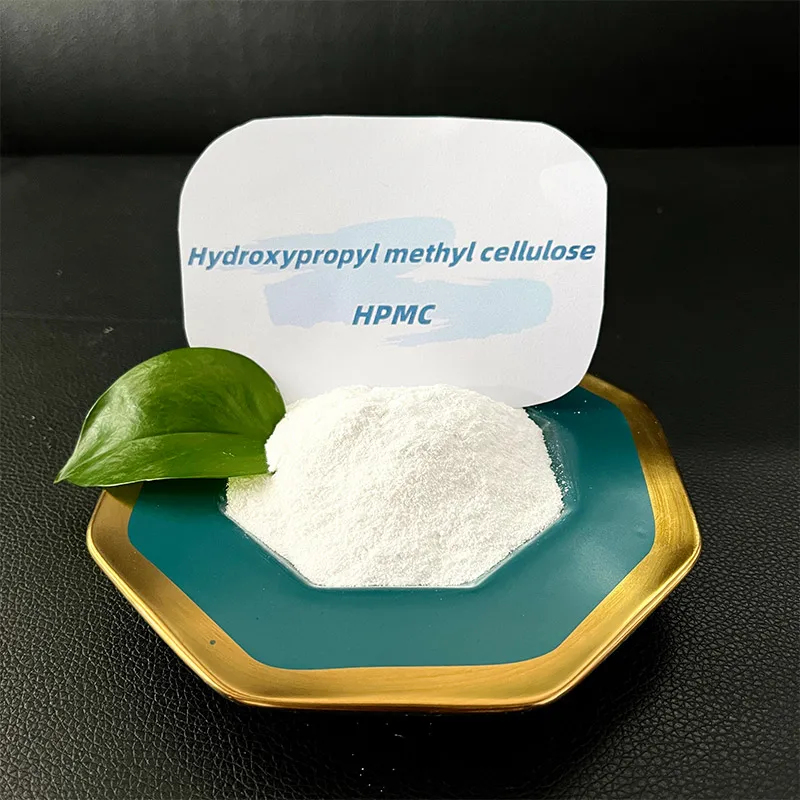
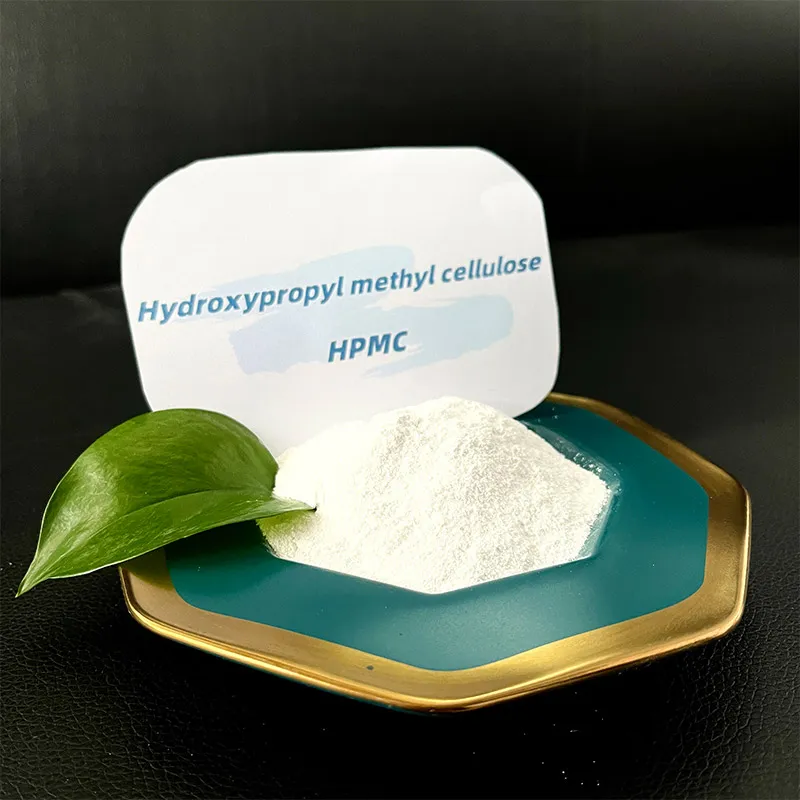
Hydroxypropyl Methylcellulose (HPMC) has emerged as a versatile compound with increasing applications across various industries. Its unique characteristics stem from its chemical composition, which combines properties of both cellulose and ether, making it an indispensable component for a myriad of products. This article delves deep into the multifaceted uses of HPMC, supported by professional insights, evidence-based findings, and examples that uphold the highest standards of authoritativeness, trustworthiness, expertise, and experience. One of the prominent uses of HPMC is in the pharmaceutical industry . Its role as an excipient is crucial. It serves as a controlled-release agent in oral drug formulations, ensuring that active pharmaceutical ingredients (APIs) are delivered at a consistent rate within the body. Thanks to its gel-forming capability upon contact with water, HPMC effectively retards the release of water-soluble drugs, thus controlling their bioavailability. This characteristic is particularly instrumental in crafting time-release medications, which have revolutionized patient adherence to medication schedules and improved therapeutic outcomes. In the realm of food and nutrition, HPMC acts as an emulsifier, thickener, and stabilizer, garnering favor for its vegan-friendly attribute. It's commonly used in gluten-free baking to impart structure and elasticity to dough, closely mimicking the properties of gluten, which are pivotal for bread and baked goods. Its ability to maintain moisture enhances the shelf-life and sensory appeal of food products, which is increasingly important in meeting both consumer and industry demands for healthier yet delicious options. Cosmetics and personal care products often incorporate HPMC due to its non-irritating and hypoallergenic nature. In lotions and creams, it functions as a thickening agent that ensures the product spreads evenly, providing a smooth application experience. Furthermore, in hair care formulations, HPMC enriches the viscosity of shampoos and conditioners, contributing to the overall efficacy and aesthetic appeal of these products. hpmc uses From the construction perspective, HPMC finds its place in cement mortar as a water retention agent and workability enhancer. Its inclusion in dry mix mortar formulations improves adhesion, resistance to sagging, and work consistency, all crucial for achieving superior quality in construction projects. The water retention ability of HPMC aids in reducing the cure time of plaster and cement, which in turn influences the stability and durability of buildings. The paint and coating industry benefits significantly from using HPMC as a binder and thickening agent. Its application results in enhanced paint consistency, better pigment suspension, and improved leveling properties. The use of HPMC not only improves the application process but also elevates the aesthetic durability of the finished surface. Despite the widespread usage of HPMC in diverse sectors, its production is guided by stringent quality standards to ensure safety and efficacy. High-quality HPMC is produced without the use of non-toxic solvents, making it suitable for sensitive applications like food and pharmaceuticals. Moreover, regulatory bodies such as the FDA recognize and approve its use, endorsing its safety across various applications. In conclusion, Hydroxypropyl Methylcellulose remains a pivotal compound, bridging several industries with its unique properties. The versatility of HPMC underscores its expanding applications, driven by continuous innovation and rigorous testing. Industry professionals armed with deep-seated knowledge and experience in HPMC applications can unlock new potentials and drive advancements across domains, reinforcing the material’s unmatched value in today’s market.
advantages
-

200000 Viscosities
Excellent product
We can produce pure products up to 200,000 viscosities
-

40000 tons
High yield
We don’t stop production all year round, and the annual output can reach 40,000 tons
-

24 hours
Quality service
We provide 24-hours online reception service, welcome to consult at any time
———— Inquiry Form
Schedule A services


-
 macro_synthetic_fiber_price
Oct . 25, 2025
Acrylic fiber, a synthetic fiber made from a polymer called polyacrylonitrile, offers unparalleled v -
 cellulose_content_of_wood
Oct . 25, 2025
Polypropylene fiber is an innovative material that significantly enhances the performance characteri -
 hpmc_adhesive
Oct . 25, 2025
Understanding Anionic Polyelectrolyte Powder Properties, Applications, and Benefits Polyelectrolytes


